

I read this book when I was in 5th grade. It literally blew my mind, and it has been my favorite book ever since. I can’t even explain how I felt when I first read it — you’d better experience it yourself.
Now, I introduce you to revenge, pain, and power — all combined in a single story.
The story is about a man named Edmond Dantès, who is betrayed by the people he trusted the most, suffers terrible pain for years, and finally gets his revenge.
Edmond Dantès, an honest, kind, and trustworthy man, he has a lover, and is
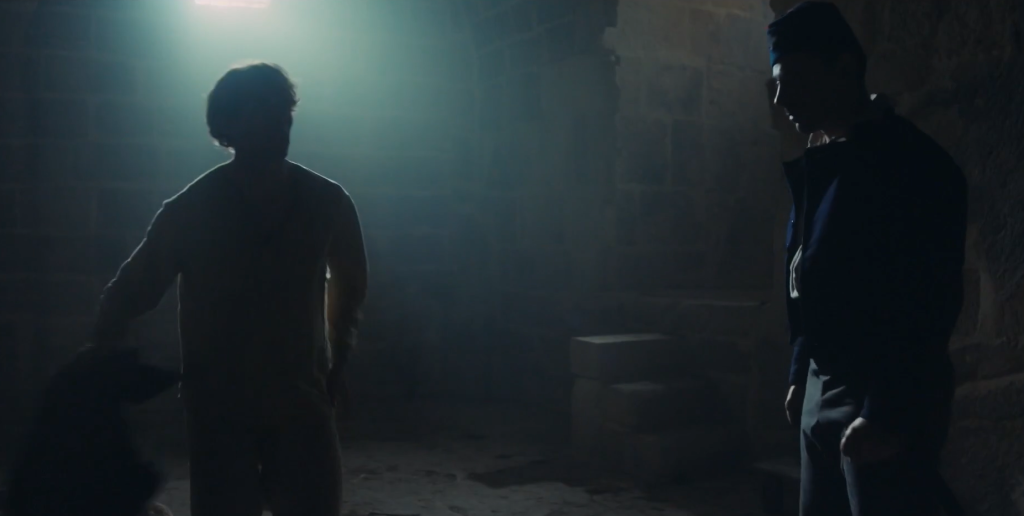
getting ready to be the captain of a ship. Unfortunately, he falls into his cousin’s trap and is sent to the most horrible prison ever known. Not only is it built on an island, but the prisoners are kept in stone cells with almost nothing inside — not even a regular bed. The guards torture them, and they are given very little food.
But there’s something even more painful than Edmond Dantès being sent to that prison: he isn’t even guilty. He tries to hold himself together for days, weeks, and months.
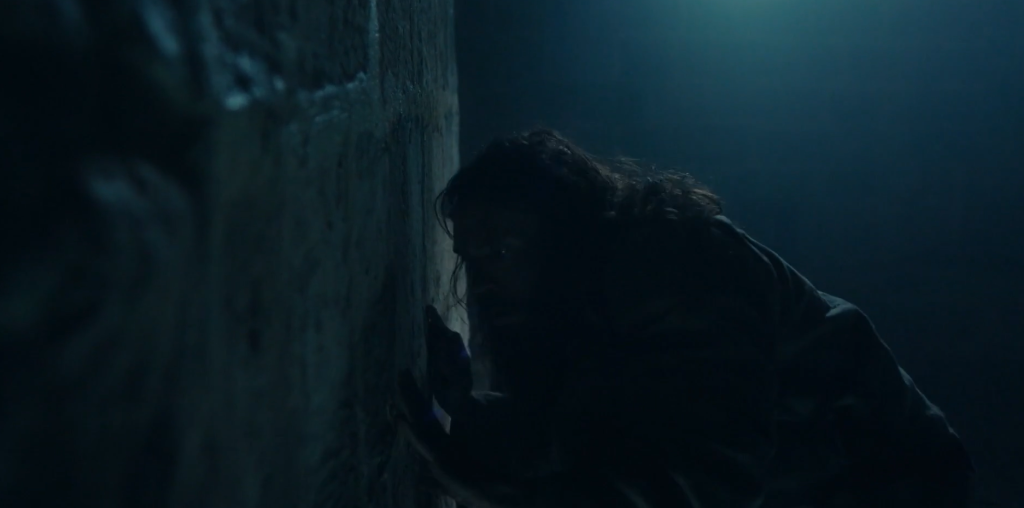
Then one day, a man breaks into his cell from the ground. He looks old — very old. Dantès is scared at first, but soon he realizes that this might be his only chance. The man’s name is Abbé Faria, and he has been there for many years. He tells Dantès about his plans and how he ended up in Dantès’s cell after a small miscalculation. He isn’t just an old man — he’s wise.
All those years he spent in prison, all alone, taught him something. He made escape plans, but during all that time, he never stopped learning. He learned multiple languages, knew philosophy like a philosopher, and did math like a mathematician. He was also imprisoned for no reason. Sure, he didn’t deserve to be there, but he never stopped believing, learning, or improving himself. He turned his pain into an opportunity. If you can’t change where you are, change who you are until you can.
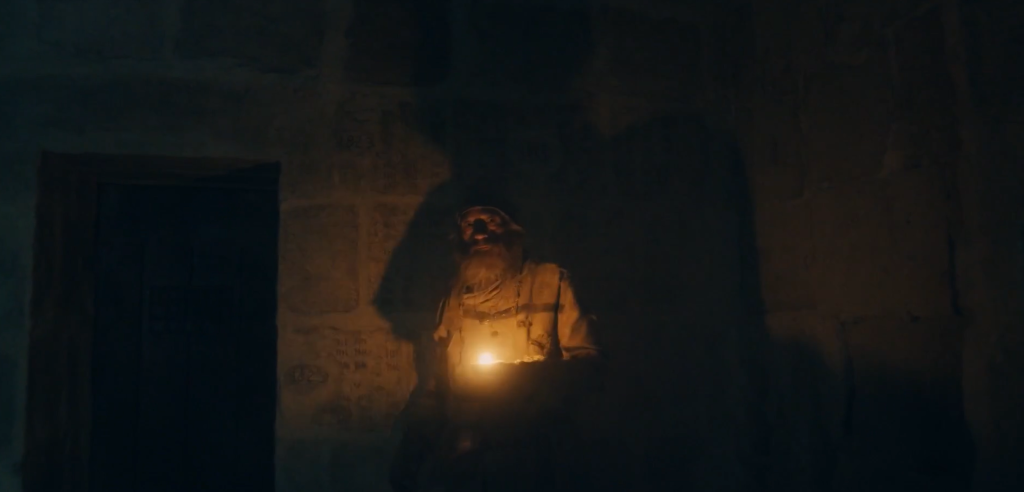
His first escape plan, which took him years to prepare, failed. But now he has someone with him — Dantès, a young man who reminds him of his own youth. Dantès is amazed by Abbé Faria, by his knowledge and his many talents. They decide to work together. In the meantime, Faria teaches Dantès everything he knows.
As time passes, they grow close and build a strong friendship. Since they have access to each other’s cells, they spend most of their time together. Faria has also crafted many things — lamps, knives, paper, ink, and more.
When I first read the book, I remember thinking, “How is that even possible?” I wanted to be like Faria. I wonder if he
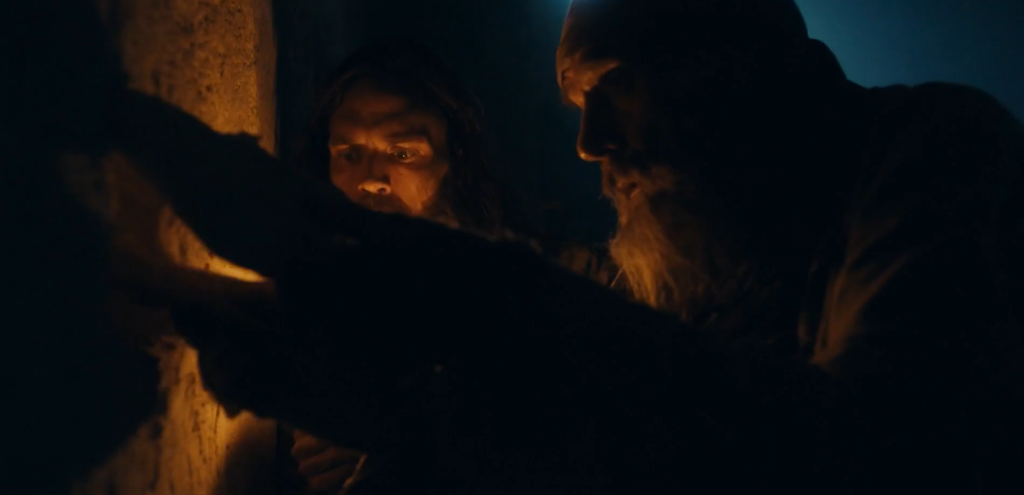
would still be the same person if he had never gone to prison. Sometimes, it’s the hard times that push us to become who we are meant to be.
Faria and Dantès begin working on another tunnel, the one they plan to escape through.
Everything seems perfect for a few years — they keep digging, learning, and practising.
But one day, everything changes. Faria suddenly starts shaking, and foam begins to come out of his mouth.
Dantès quickly carries Faria back to his cell, but he doesn’t know what to do. That’s when Faria reveals the truth — the disease runs in his bloodline. There’s only one thing that can save him in that moment, but it only works two or three times in a lifetime. The next time it happens, he will die, and nothing can change that.
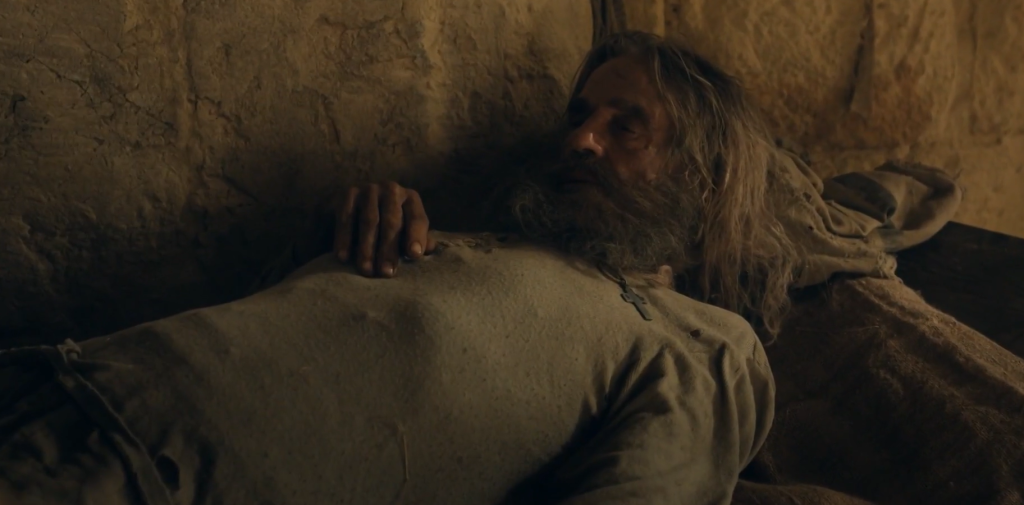
And it does happen, only a few months later. Faria has another attack. Before his death, he tells Dantès about a hidden treasure on the island of Monte Cristo, shows him the map, and then… he dies. Dantès tries to save him, but there is nothing he can do. He can only watch Faria — his teacher, his father, his friend, his everything — take his last breath.
And once again, he is all alone.
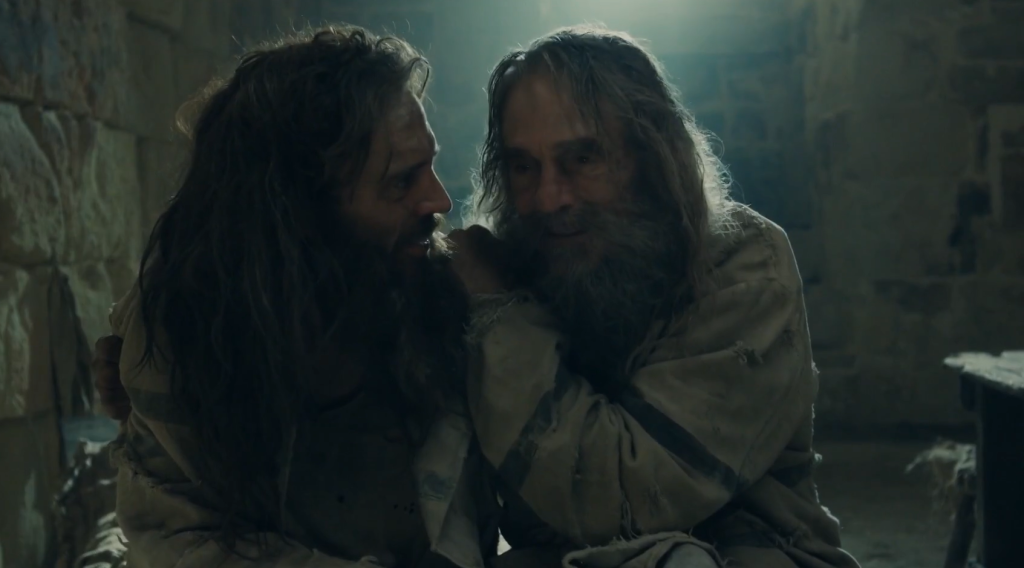
After this, Dantès hears the guards coming and quickly crawls back into the tunnel. He listens carefully as they speak — they’ve discovered Faria’s death and plan to bury him that night. They wrap his body in a coarse fabric.
At that moment, Dantès realizes the truth: you can only leave this place dead.
And then, he comes up with a plan.
At that moment, Dantès realizes the truth: you can only leave this place dead.
And then, he comes up with a plan.
This part is the exact reason why this book is my all-time favorite. I get chills every single time I read it — literal chills.
If you can only get out of here dead,
then all he has to do… is die.
When the guards leave Faria’s cell, with his body wrapped in that rough fabric, Dantès crawls back, grabs a knife and a few things he might need. Then, he carries Faria’s body to his own cell, lays it down, and takes his place inside the fabric.
When the time comes, the guards and the warden chain Dantès’ hands and feet, believing he’s the corpse. They carry the body to a cliff. That’s when Dantès realizes another horrifying truth — the dead don’t get buried in this prison. They get thrown into the sea.
Right before they toss him, Dantès grabs the warden and pulls him down into the water.
Since Dantès used to be a sailor before getting sent to prison, he can hold his breath long enough to cut the fabric around him and free himself.
When the guards realize the body they just threw isn’t Faria’s, it’s already too late.
Swimming toward an island — which is very far away — Dantès finally reaches it, exhausted but alive.
There, he meets a group of pirates or bandits, just as they’re about to execute one of their members. They tell Dantès that if he can defeat that man — who happens to be the best swordsman among them — they’ll let him live.
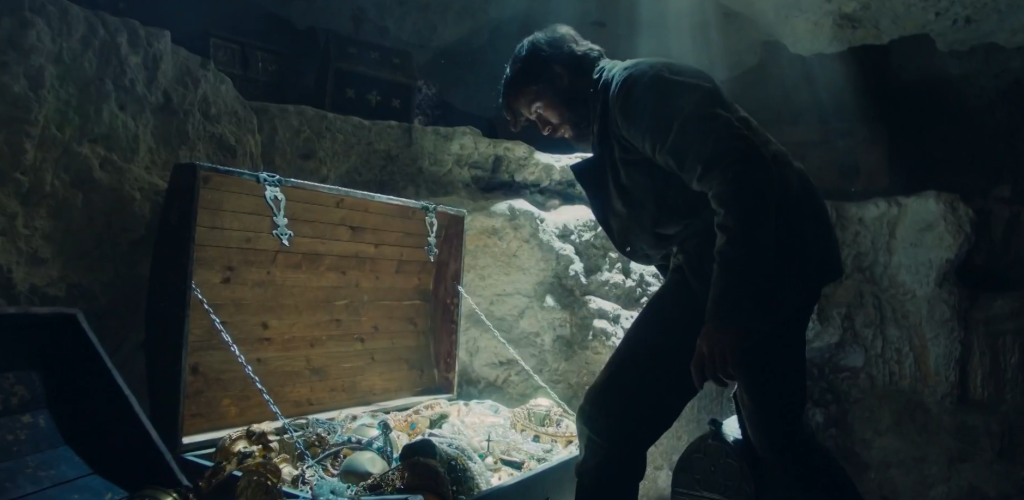
Since Dantès had been practicing in prison for years, he easily beats the man and earns their respect. From that moment on, he becomes a loyal ally to the group and joins them. Later, they travel together to the island of Monte Cristo to find the treasure Faria had told him about.
And they do find it.
Tons of gold, chests filled with jewels… Suddenly, Dantès becomes one of the richest men alive.
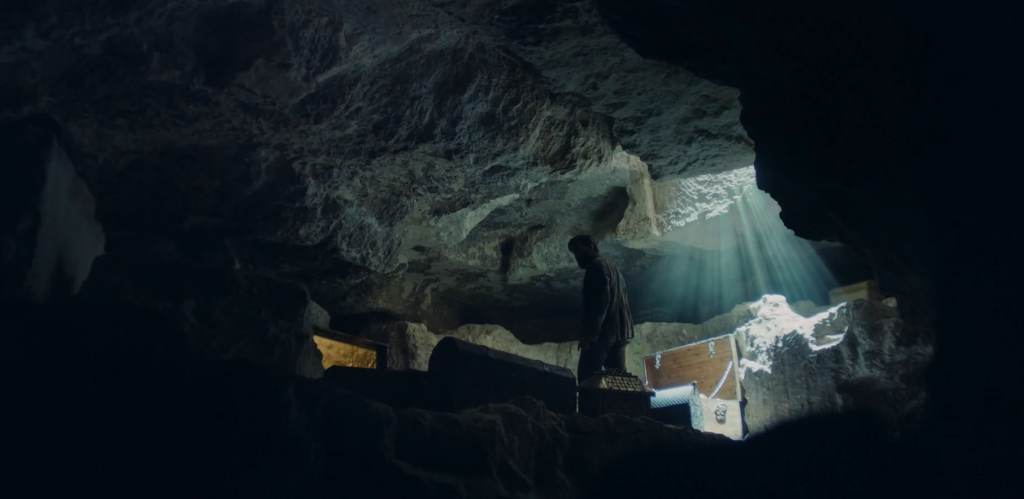
He returns to the place where he once came from — but not as Edmond Dantès. This time, he introduces himself as The Count of Monte Cristo.
The rest of the book tells the story of his revenge — his cold, patient, and calculated revenge — against everyone who ever betrayed him.
He even meets his old fiancée, who married his cousin 3 months after Dantès’ imprisonment.
There’s a dialogue I really love here:
-Mercedes: It seems to me that I have known you a long time, Monsieur.
-The Count (Dantès): It is possible, madame. So many women have known me and forgotten me.
But you — you will forget me too, within 3 months.”
I won’t be writing too much about this part of the book, because as I always

say, it’s better if you read.
The book ends with revenge, satisfaction, death. They changed it in the movie, and recently filmed a show which I haven’t seen yet (even though I used the scenes here), but the point is not how the story ends; it’s how it changes you. It’s about everything you feel along the way. Did Dantes do the right thing? It’s up to you. For me? I will always choose the book.
“Life is a storm, my young friend. You will bask in the sunlight one moment, be shattered on the rocks the next. What makes you a man is what you do when that storm comes.”

Bir yanıt yazın