

Summary
A young FBI trainee, Clarice Starling, is assigned by her superior, Jack Crawford, to investigate the Buffalo Bill case. To understand this case better, she goes to question a former serial killer — Hannibal Lecter.
Hannibal Lecter is a former psychologist who killed his patients, bit and ate them. He is a true master of manipulation.
Buffalo Bill, on the other hand, is a killer who kidnaps and murders young women, then skins them to make pieces out of their bodies. He is known for throwing their bodies into rivers.
When Clarice arrives at the asylum, she is first greeted by
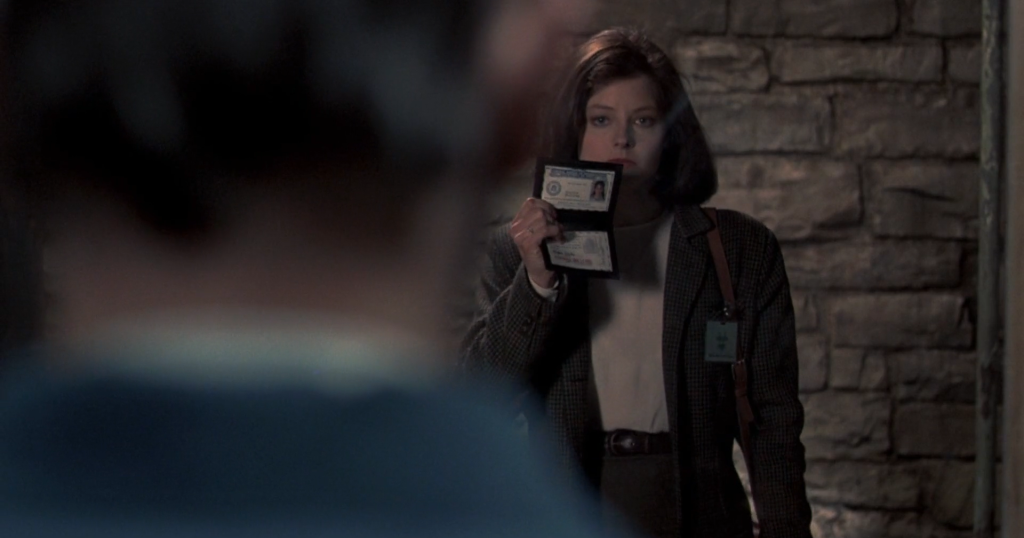
the director, who acts inappropriately toward her and warns her before meeting Lecter. Starling sits in front of Lecter behind a thick, bulletproof glass. She immediately realizes how smart and cunning he is. Lecter seems to be mocking the FBI’s interest in him. Still, he gives Clarice some vague clues.
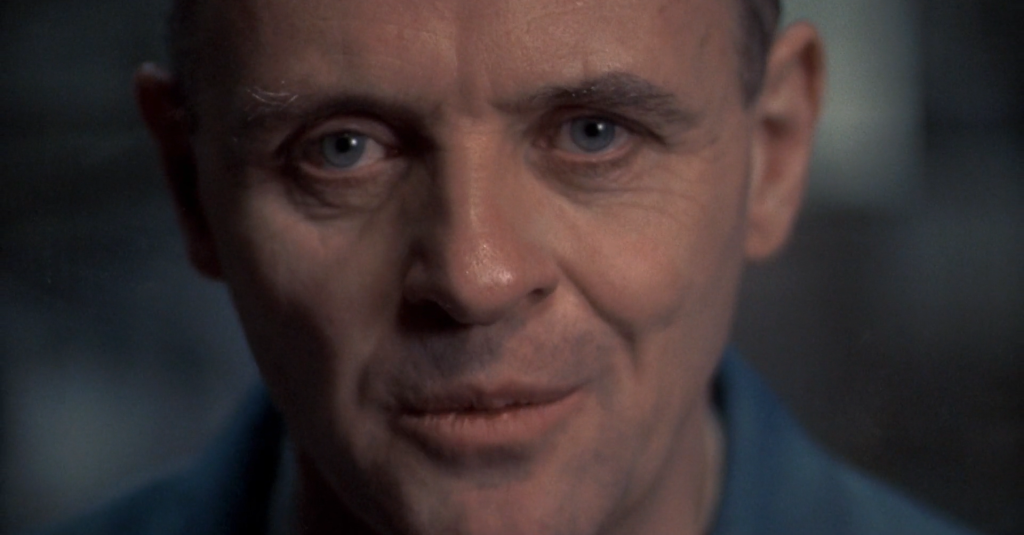
Throughout the movie, Clarice follows these clues. While uncovering the truth, she learns that Buffalo Bill once wanted to have gender reassignment surgery but was rejected. Because of this, he tries to make himself a “dress” out of women’s skin.
Meanwhile, Buffalo Bill kidnaps a senator’s daughter. The case draws huge attention, and the pressure on the FBI grows.
The senator wants to meet Lecter in person, hoping to get his help. Lecter is transferred under extreme security, but he escapes and a deadly chase begins. He kills the guards, hangs their bodies, and disappears.
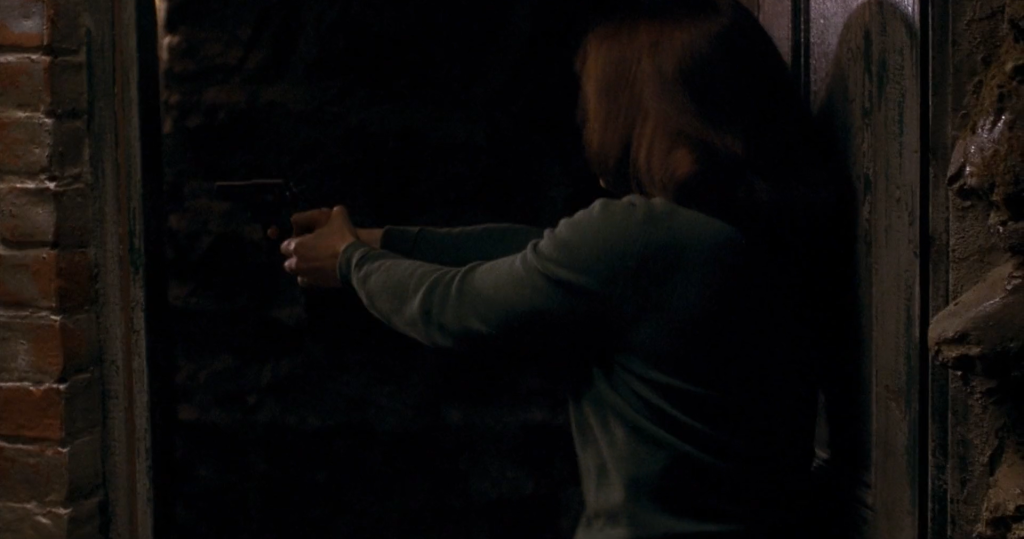
At the same time, Starling continues investigating Buffalo Bill and eventually finds his house. Pretending to be asking about the former owners, she enters. There, she realizes the senator’s daughter is being kept in the basement. Clarice finds the girl, but Bill cuts the power and uses night vision goggles to hunt her down. Just as he’s about to kill her, Clarice fires and kills him. She rescues the girl, receives a medal of honor, and moves up from trainee to full agent. Everything seems to be going well — until she gets a call from Lecter.
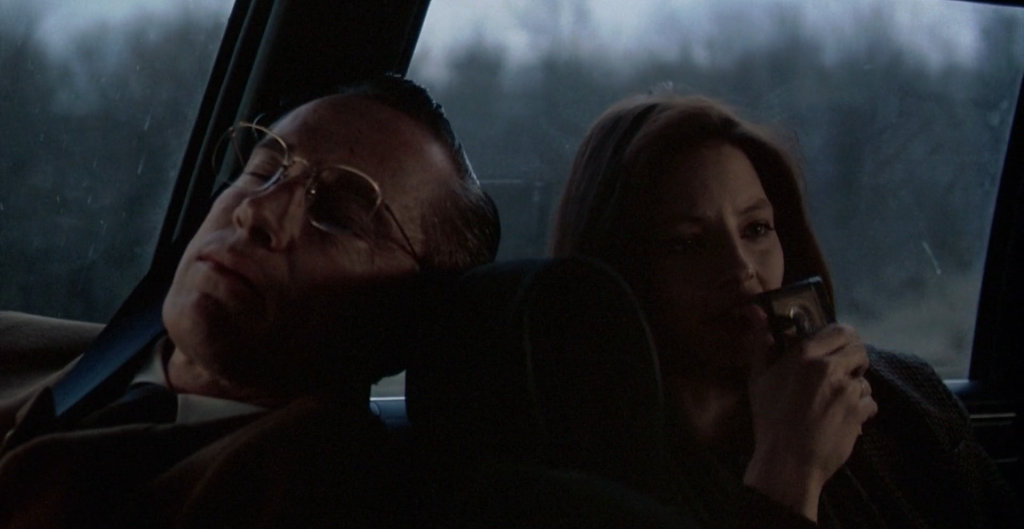
Review
At the beginning of the film, Starling running through a silent, eerie forest feels like a lamb-wolf metaphor. The tense music gives a sense that anything could happen at any moment, pulling the audience into the story right from the start. This is definitely not a typical crime movie.
The fact that Clarice is the only woman in almost every room she enters seems like a deliberate choice by the director — a subtle but powerful critique of male-dominated professions. Starling being a “lamb” metaphor is made clear through the story she tells about the lambs she couldn’t save.
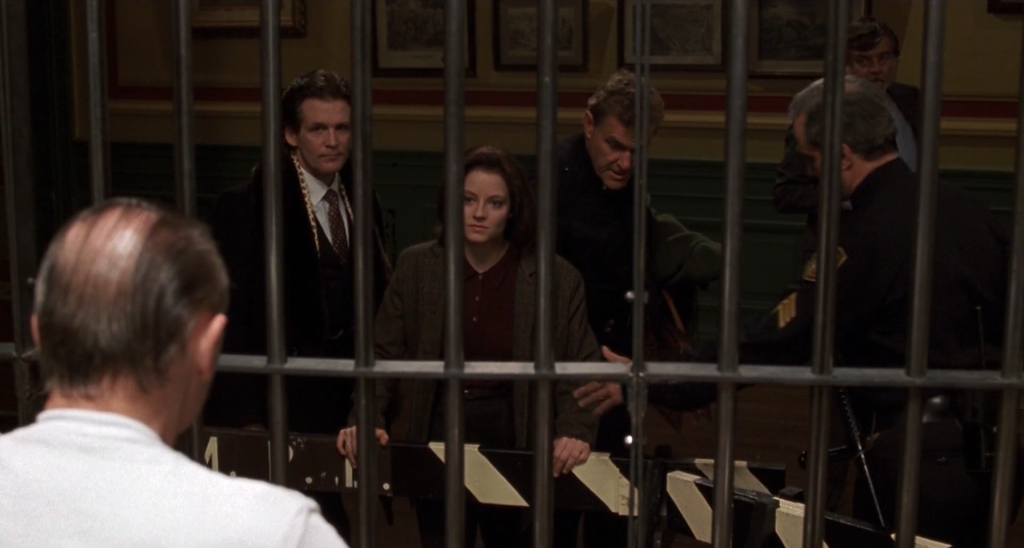
The first meeting scene with its camera angles, acting, and atmosphere
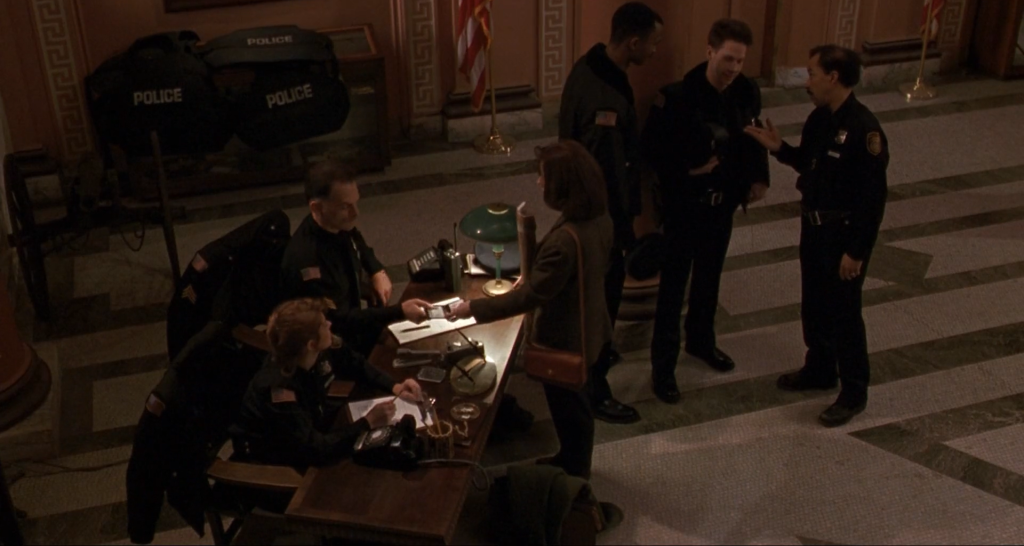
is absolutely incredible. Lecter feels like he’s looking straight into our souls. For a moment, I almost believed Anthony Hopkins was actually a killer. The whole encounter turns from an interrogation into a psychological examination of Clarice herself.
When Starling goes down to the basement and red light surrounds her, it’s clearly a symbol of hell. That sequence is one of the turning points of the movie. The scene where another inmate, Miggs, throws his “filth” at her tests Clarice’s determination and composure. After that, she becomes even more focused on the case. Lecter later making Miggs kill himself just by talking to him is deeply disturbing yet fascinating.
The scene where Clarice finds the head Lecter mentioned inside a car garage is very ironic — it was hidden in plain sight, showing how even the FBI can overlook the obvious.
The moment Buffalo Bill kidnaps the senator’s daughter also strengthens the lamb-wolf metaphor. The girl walks into the trap because of her kindness and innocence. And in the end, when Clarice saves her, it mirrors her lamb story — she couldn’t save the lambs from the barn, but this time, she saves the girl from the pit. (Don’t worry, I’m not about to go full “Joseph in the well” metaphor here)
Clarice’s determination to solve this case comes from her desire to prove herself to those who underestimate her — and she does. Lecter’s escape might seem absurd, but it never feels out of place. The gloomy and cold atmosphere of the film makes the story even more unsettling. There isn’t a single scene where the sun shines.
For a film made in the early 1990s, the
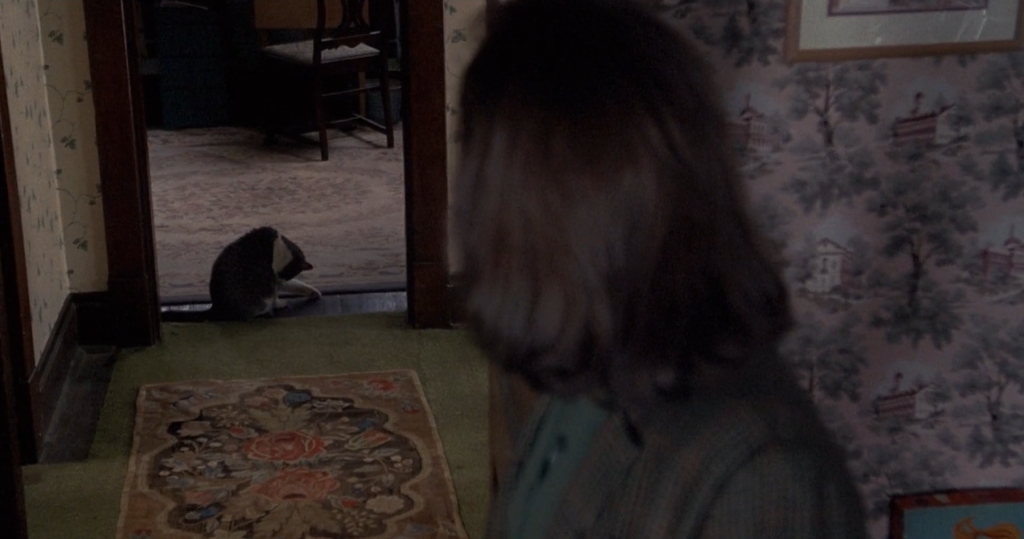
cinematography and direction are outstanding. Honestly, there’s not much more to say for this masterpiece.
Bir yanıt yazın